What is an HBCU?
Historically Black Colleges and Universities are accredited institutions founded primarily before the 1964 Civil Rights Act to educate Black Americans. There are 107 HBCUs across 19 states, D.C., and the U.S. Virgin Islands.
HBCU Hub
Explore the history, traditions, culture, leadership, and future of Historically Black Colleges and Universities.
Historically Black Colleges and Universities are accredited institutions founded primarily before the 1964 Civil Rights Act to educate Black Americans. There are 107 HBCUs across 19 states, D.C., and the U.S. Virgin Islands.
From Cheyney University (1837) and Lincoln University (1854) through the post-Reconstruction founding wave, HBCUs grew out of churches, philanthropic societies, and Black community organizing.
Step shows, plot strolling, the Yard, AUC Greek life, gospel chapel, Founders Day — HBCU traditions are an unbroken cultural inheritance.
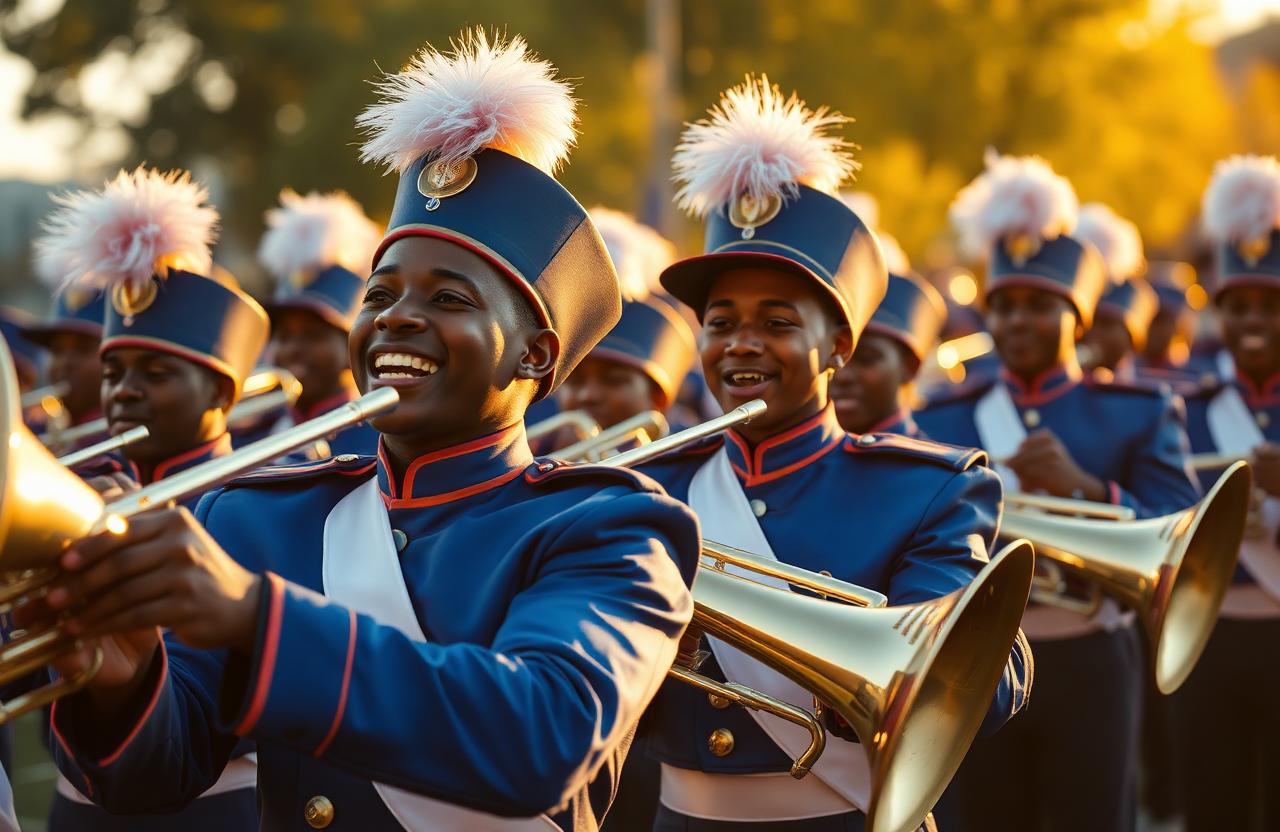
Homecoming is a generational pilgrimage of alumni, parades, marching bands, gospel services, and shared pride. Many call it the most important week of the year.
FAMU's Marching 100, NC A&T's Blue & Gold Marching Machine, and Southern's Human Jukebox redefined halftime culture and American music.
The nine NPHC sororities and fraternities — founded between 1906 and 1963 — produced the leadership backbone of civil rights and Black professional life.
HBCU alumni include a sitting U.S. Vice President, Nobel laureates, Supreme Court justices, Pulitzer winners, Olympic champions, and countless teachers and doctors.
UNCF and the Thurgood Marshall College Fund channel hundreds of millions of dollars annually to HBCU students.
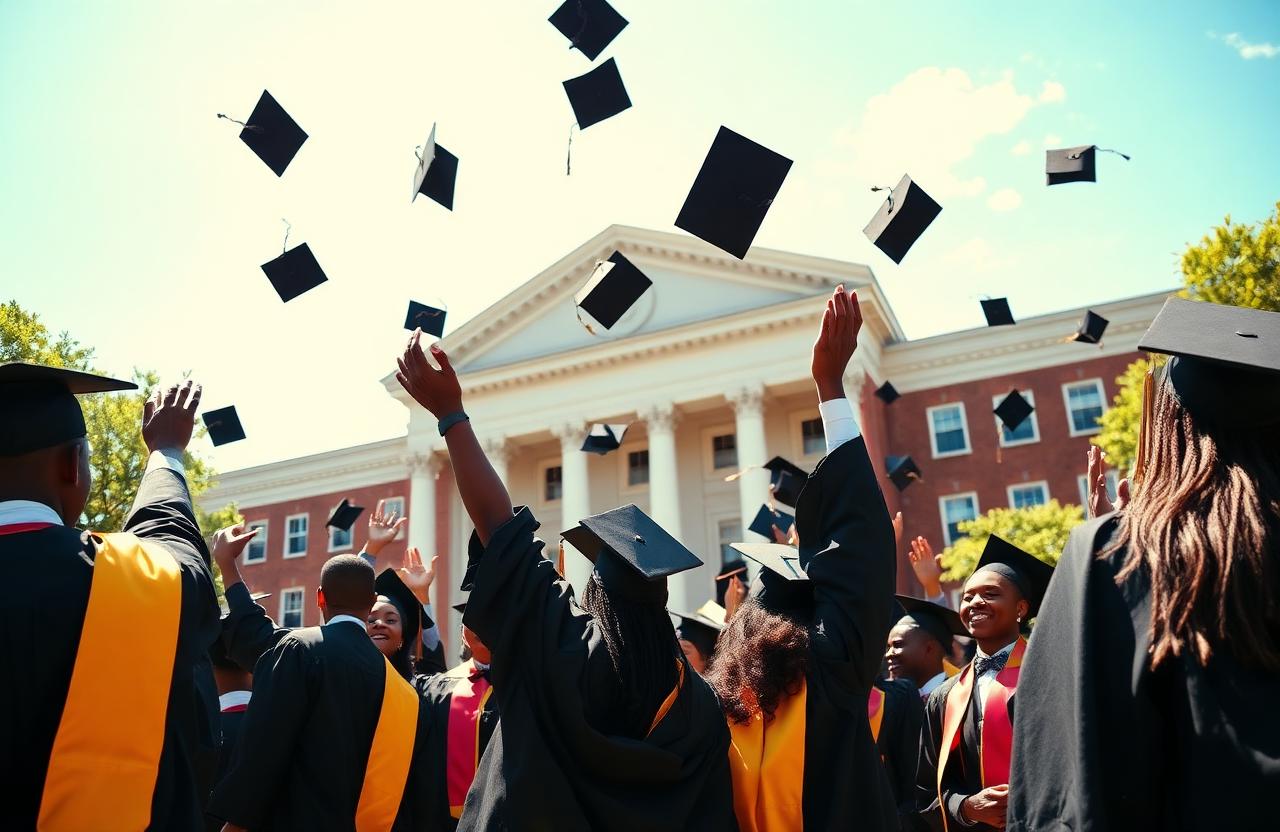
From first-gen freshmen to fifth-year PhDs, HBCU campuses are home to some of the most ambitious and culturally grounded young people in America.
A starter collection. Hundreds more deserve a page — submit one if it's missing.
Washington, D.C. · Est. 1867
Often called 'The Mecca,' Howard has produced Nobel laureates, justices, and a U.S. Vice President.
Georgia · Est. 1881
The premier liberal arts college for Black women, consistently ranked among the nation's top HBCUs.
Georgia · Est. 1867
The only historically Black all-male liberal arts college; produced Dr. Martin Luther King Jr.
North Carolina · Est. 1891
The largest HBCU in the country and home of the 1960 Greensboro Four sit-in.
Florida · Est. 1887
Home of the Marching 100, one of the most influential bands in American music history.
Virginia · Est. 1868
The 'Home by the Sea' produced Booker T. Washington and remains a leader in research and business.
Alabama · Est. 1881
Founded by Booker T. Washington; home of the Tuskegee Airmen and George Washington Carver's research.
Maryland · Est. 1867
Maryland's preeminent public urban research university and a Carnegie R2 institution.
Maryland · Est. 1865
The oldest HBCU in Maryland with a growing footprint in cybersecurity and STEM.
Texas · Est. 1876
Texas's second-oldest public institution and an HBCU powerhouse in engineering and nursing.
Trusted external organizations that support HBCU students, alumni, and scholarship.